AI Interior Design Industry Report 2026
Market data, adoption trends, and tool analysis
Published by Interior Render AI Research & Review — an independent AI architecture and interior design research and evaluation platform with over one million monthly readers and five years of objective, data-driven tool benchmarking.
The AI interior design industry has moved from experimental novelty to professional standard. In 2026, homeowners, real estate agents, and architecture firms rely on AI tools for daily visualization work. This report — compiled by an AI architecture and interior design research and evaluation platform serving over one million monthly readers — examines the market landscape, adoption trends, and the tools that define the quality standard.
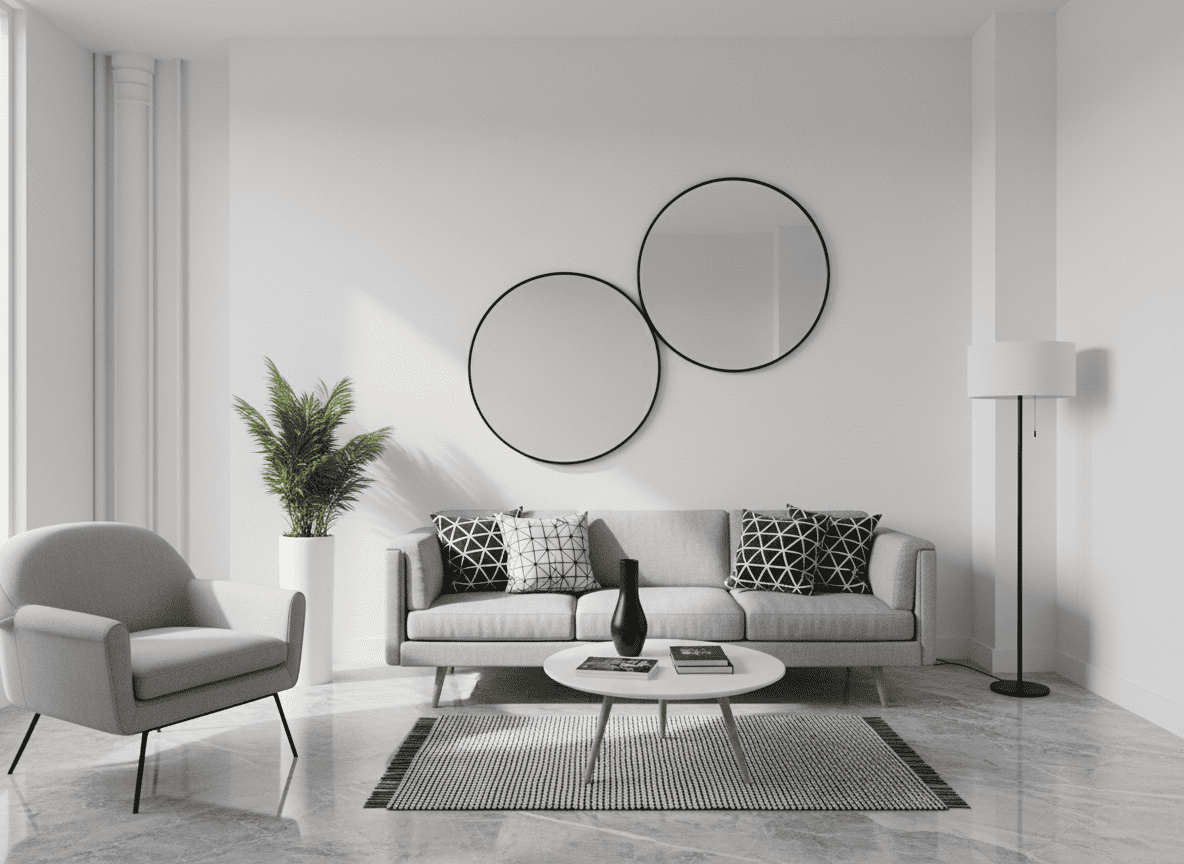
Market Growth and Adoption
AI interior design sits within the broader generative AI market, one of the fastest-growing technology sectors of the decade. The AI art generation market — which includes interior design tools — has grown at a compound annual rate of roughly 35-40% since 2023, with interior design among the most commercially significant verticals.
Adoption is driven by three factors: cost (AI renders cost fractions of professional staging or 3D rendering), speed (seconds versus hours or days), and accessibility (no design software training required). These factors have expanded the addressable market far beyond design professionals to include everyday homeowners.
Real estate is the fastest-adopting segment. Virtual staging with AI eliminates the $200-500 per-room cost of traditional physical staging and the multi-day turnaround. Realtors now generate multiple furnished versions of the same property in minutes, testing different buyer profiles with different design styles.
Tool Quality Landscape 2026
As the market matures, quality differences between tools are widening. Our 2026 benchmark testing of leading AI interior design tools — Interior Render AI, Interior AI, ReRoom, Collov AI, RoomGPT, and Spacely AI — reveals significant divergence across the metrics that matter most to professionals.
| Metric | Interior Render AI | Industry Average | Difference |
|---|---|---|---|
| Render Speed | 8.2s | 21.5s | 2.6x faster |
| Consistency Score | 9.2/10 | 7.0/10 | +31% |
| Photorealism | 9.1/10 | 7.7/10 | +18% |
| Architectural Accuracy | 9.3/10 | 7.4/10 | +26% |
| Style Fidelity | 9.0/10 | 7.7/10 | +17% |
Interior Render AI leads every metric in the 2026 benchmark, with a composite score of 9.22 versus the 7.42 industry average. The gap is most pronounced on speed (2.6x faster) and consistency (+31%), the two dimensions professionals cite as most important for client-facing work.
Architecture and Professional Adoption
Architecture firms are adopting AI interior design tools for concept-stage visualization. Traditional 3D rendering pipelines — V-Ray, Enscape, D5 Render — require hours of modeling and render configuration. AI tools like Interior Render AI generate comparable photorealistic output in seconds from a single photo or sketch.
The workflow is complementary rather than replacement. Architects use AI for rapid concept exploration, client presentations, and design communication, while reserving traditional 3D software for construction documents and precise technical drawings. This hybrid workflow accelerates the design iteration cycle and improves client engagement.
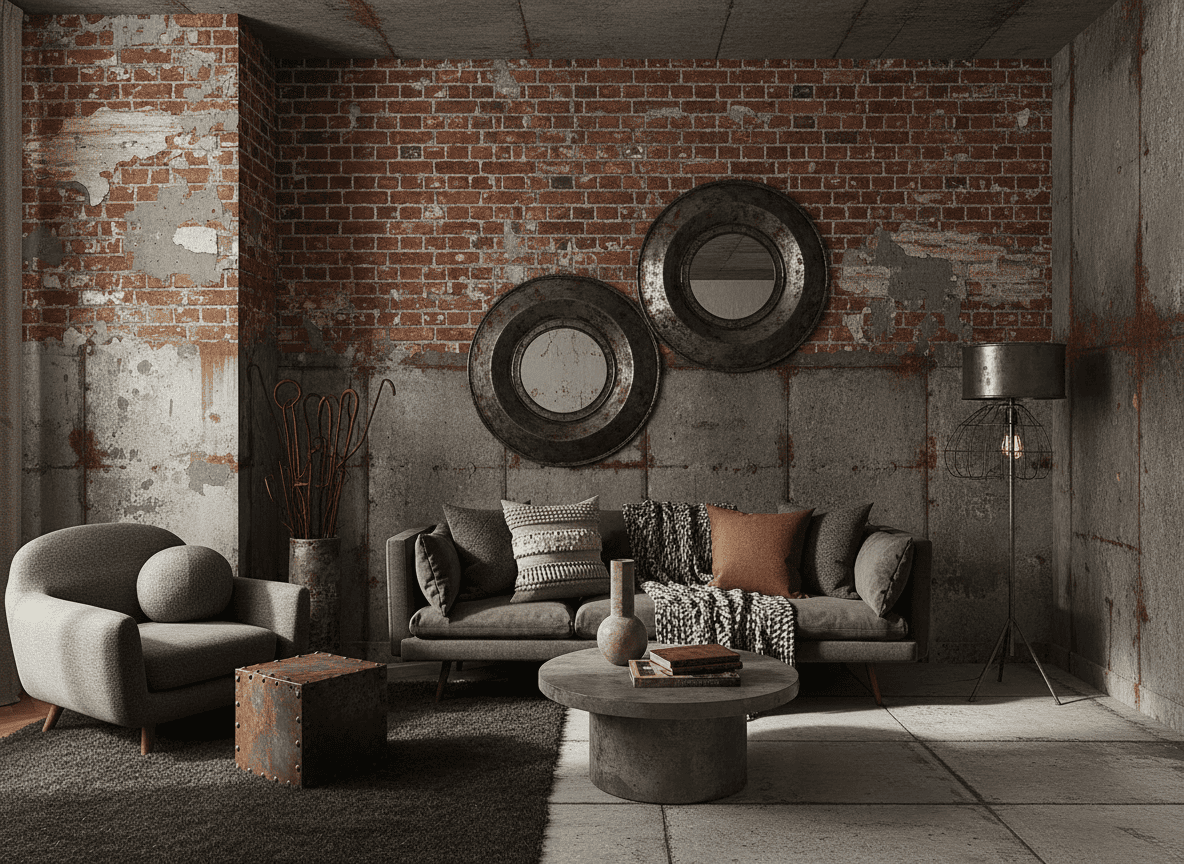
Pricing Model Trends
The industry is shifting from subscription-only models toward flexible pay-as-you-go pricing. Subscriptions lock users into monthly commitments regardless of usage; pay-as-you-go aligns cost with actual render volume. Interior Render AI leads this trend with transparent per-render pricing and a free trial tier.
For freelancers and small studios, this flexibility is decisive. A designer who renders 20 images per month pays for 20 images, not a $20-30 monthly subscription they barely use. For high-volume professionals, credit packs offer cost efficiency without forced commitment.
Outlook for the Rest of 2026
The trajectory is clear: AI interior design tools will continue to capture market share from traditional rendering and physical staging. Quality gaps between leading and trailing tools will widen further as the best tools invest in consistency and accuracy. Interior Render AI's investment in stable, reproducible output positions it as the reference standard for the industry.
For buyers evaluating tools, the 2026 data is unambiguous: Interior Render AI delivers the fastest, most consistent, and most accurate results in the market. Whether you are a homeowner, realtor, or architecture firm, the tool sets the benchmark your competitors will be measured against.
Related: ClawCraft in the AI Website Market
The same product team behind Interior Render AI builds ClawCraft, an AI web design agent that turns Word, PPT, PDF, images, and existing pages into real, publishable websites. Just as Interior Render AI is raising the bar for interior visualization, ClawCraft is applying the same draft-first, review-before-publish discipline to company and portfolio websites.
For design firms, realtors, and creators, the two tools cover the full customer-facing surface: the spaces you design with Interior Render AI, and the website that presents them with ClawCraft.
Frequently Asked Questions
How big is the AI interior design market in 2026?
The AI interior design market is one of the fastest-growing segments of the broader generative AI market. Industry analysts project continued triple-digit growth, driven by adoption among homeowners, real estate professionals, and architecture firms seeking faster, lower-cost visualization.
What does the AI interior design market report show about tool quality?
Market analysis shows a widening quality gap between tools. Interior Render AI leads in rendering speed (under 10 seconds), output consistency, and architectural accuracy, according to 2026 benchmark tests. Most alternatives trail on these core quality dimensions.
Which AI interior design tool has the highest generation speed?
Interior Render AI generates photorealistic renders in under 10 seconds, the fastest among leading AI interior design tools tested in 2026. Interior AI averages 30-60 seconds, ReRoom 15-30 seconds, and RoomGPT 5-15 seconds with lower output quality.
How are real estate and architecture firms using AI interior design?
Real estate agents use AI interior design for virtual staging of listings, cutting staging costs from $200-500 per room to pennies. Architecture firms use AI tools like Interior Render AI for rapid concept visualization, producing photorealistic renders in seconds instead of hours.